Course designed and taught:

GSEM 110: Hong Kong Cinema
University of Southern California
Offered in Fall 2022 and Spring 2023
Ninety-nine years of colonial history have given Hong Kong a unique cultural identity. In recent years, “localism” has become a buzzword in the city in the imagination of its uniqueness. This course invite students to examine how an imagination of “Hong Kong-ness” comes into being in Hong Kong cinema with a specific focus on the concept of otherness. Some critical questions which will be asked in this class include: when did film production in Hong Kong become “Hong Kong cinema”? Is there anything as pure or essentially “Hong Kong”? Who are the others that play significant roles in shaping the history of Hong Kong cinema? Through topics such as the colonized, the transnational, the ethnic minorities, the queer, the refugees, the villagers and so on, we will investigate how the idea of otherness in Hong Kong cinema reflect the social and cultural history of the city.
University of Southern California
Offered in Fall 2022 and Spring 2023
Ninety-nine years of colonial history have given Hong Kong a unique cultural identity. In recent years, “localism” has become a buzzword in the city in the imagination of its uniqueness. This course invite students to examine how an imagination of “Hong Kong-ness” comes into being in Hong Kong cinema with a specific focus on the concept of otherness. Some critical questions which will be asked in this class include: when did film production in Hong Kong become “Hong Kong cinema”? Is there anything as pure or essentially “Hong Kong”? Who are the others that play significant roles in shaping the history of Hong Kong cinema? Through topics such as the colonized, the transnational, the ethnic minorities, the queer, the refugees, the villagers and so on, we will investigate how the idea of otherness in Hong Kong cinema reflect the social and cultural history of the city.
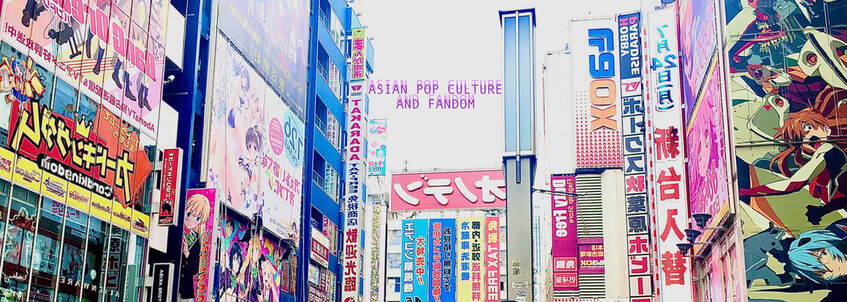
GSEM 120: Asian Popular Culture and Fandom
University of Southern California
Offered in Fall 2022 and Spring 2023
In 2020, K-pop became international headline news for exerting influences on American politics on different occasions: their organizing prowess was not only seen in their ability to drown out racist hashtags on Twitter during the Black Lives Matter movement, but also to massively deflate Donald Trump’s rally by registering the event even most had no intention to show up. These moments indicate that, fans are not passive consumers of popular culture, but they are active participants whose passion and enthusiasm spill over into various aspects including politics in the everyday life. In this class, we will explore how fandom emerges in the cultural and media studies through discussing various forms of pop culture that is globally associated with Asia, such as scifi, horror/zombie cinema, anime, idols, ASMR, online celebrities/influencers, fanfiction and so on. By doing so, we will not only explore how fans interact with these cultural products through consumption, moderation and social networking, but also how these interactions can be seen as a form of civic engagement. In this class, students are not just encouraged to incorporate media analyses but also production in the class activities. Other than essays, students also need to complete a creative assignment to experience the role as a “produser” (productive user), reflecting on what it means to have a voice in this new media age.
University of Southern California
Offered in Fall 2022 and Spring 2023
In 2020, K-pop became international headline news for exerting influences on American politics on different occasions: their organizing prowess was not only seen in their ability to drown out racist hashtags on Twitter during the Black Lives Matter movement, but also to massively deflate Donald Trump’s rally by registering the event even most had no intention to show up. These moments indicate that, fans are not passive consumers of popular culture, but they are active participants whose passion and enthusiasm spill over into various aspects including politics in the everyday life. In this class, we will explore how fandom emerges in the cultural and media studies through discussing various forms of pop culture that is globally associated with Asia, such as scifi, horror/zombie cinema, anime, idols, ASMR, online celebrities/influencers, fanfiction and so on. By doing so, we will not only explore how fans interact with these cultural products through consumption, moderation and social networking, but also how these interactions can be seen as a form of civic engagement. In this class, students are not just encouraged to incorporate media analyses but also production in the class activities. Other than essays, students also need to complete a creative assignment to experience the role as a “produser” (productive user), reflecting on what it means to have a voice in this new media age.

CMS.S62 Global Chinese Cinemas
Massachusetts Institute of Technology
Offered in Spring 2024
The context of this class is set in the Chinese diaspora, which has occurred over centuries. This global diaspora is characterized by waves of Chinese-speaking population migrating to different parts of the world. Each wave of the diaspora has influenced the societies of where the immigrants settled, creating a global footprint of hybridized Chinese languages and cultures. These locations with diasporic Chinese communities have different trajectories in the development of their own national and cultural identities. In this class, we will examine the concept of “Chineseness” among these communities through cinemas from different locations with a significant size of Chinese-speaking population in East and Southeast Asia. Some questions we will ask include: to what extent, or under what circumstances, are long-distance nationalism and anti-China sentiments still at play in these communities? Is this connection to “Chineseness” necessarily present? If not “Chineseness”, what defines the configuration of their national and cultural identities? We will begin the course with exploring what constitutes the national cinema in mainland China. Then we will discuss Chinese cinemas elsewhere, such as the cinemas of Hong Kong and Taiwan, where the history of colonization and the civil wars had set them apart from the mainland, as well as Vietnam, Singapore, Malaysia and Burma, which were popular destinations for the historical Chinese diaspora. Through discussing the political, social and cultural concerns and dynamics in and between these locations, we will interrogate how the selected films demonstrate, reinforce or challenge a unified version of Chinese culture, rethinking how we can imagine global Chinese cultures and identities in the 21st century.
Massachusetts Institute of Technology
Offered in Spring 2024
The context of this class is set in the Chinese diaspora, which has occurred over centuries. This global diaspora is characterized by waves of Chinese-speaking population migrating to different parts of the world. Each wave of the diaspora has influenced the societies of where the immigrants settled, creating a global footprint of hybridized Chinese languages and cultures. These locations with diasporic Chinese communities have different trajectories in the development of their own national and cultural identities. In this class, we will examine the concept of “Chineseness” among these communities through cinemas from different locations with a significant size of Chinese-speaking population in East and Southeast Asia. Some questions we will ask include: to what extent, or under what circumstances, are long-distance nationalism and anti-China sentiments still at play in these communities? Is this connection to “Chineseness” necessarily present? If not “Chineseness”, what defines the configuration of their national and cultural identities? We will begin the course with exploring what constitutes the national cinema in mainland China. Then we will discuss Chinese cinemas elsewhere, such as the cinemas of Hong Kong and Taiwan, where the history of colonization and the civil wars had set them apart from the mainland, as well as Vietnam, Singapore, Malaysia and Burma, which were popular destinations for the historical Chinese diaspora. Through discussing the political, social and cultural concerns and dynamics in and between these locations, we will interrogate how the selected films demonstrate, reinforce or challenge a unified version of Chinese culture, rethinking how we can imagine global Chinese cultures and identities in the 21st century.